Ensuring Safe and Responsible Waterfowl Access: A Pre-Flight Checklist
The journey, from your vehicle to your hunting setup is often forgotten when preparing for waterfowl hunting. The way you expect to go when the weather is good can change a lot by the time the day arrives. It might become areas, closed trails or difficult ground. Doing a check of the access before time helps you adjust to any changes and also makes sure that you do not harm the places where you hunt.
Explore Your Route Thoroughly
Start by walking the ground of only using maps. Make the trip from your car to the water then look at the way you plan to go to your blind. Pay attention to the ground: look for areas that are washed out places that're soft trees that have fallen muddy spots and branches that hang low and might block your way. Remember that a path that is easy to walk in summer can be almost impossible after fall rain.
It is also important to know about access rules. Make sure the places where you want to park, launch and get your birds are available for you. Just because a place looks public doesn't mean every path or shoreline is open. Also if you have permission from the landowner check again that the routes you agreed on are still open and that there are no limits that could affect parking or the presence of dogs.
Have another way to get in. Choose carefully; a longer walk on ground might be better than a shortcut that harms weak plants or goes through restricted areas.
Think Ahead About Bird Recovery
Before you even think about shooting think about how you will get any birds that fall. Ask yourself: where can I get a bird that has fallen without putting anyone a person or a dog in danger? Look for places like banks, islands and channels that could stop you from getting to the bird. If your shot might land a bird in a place think again about your setup. Skip the shot. Relying much on a boat, waders or a dog can cause problems.
Be careful about the dangers for both you and your dog. Is the water too cold? Is the current too strong? How far is the retrieve? If the conditions are too much for your dog it might be better to find a spot or avoid the shot.
Equip Yourself Wisely
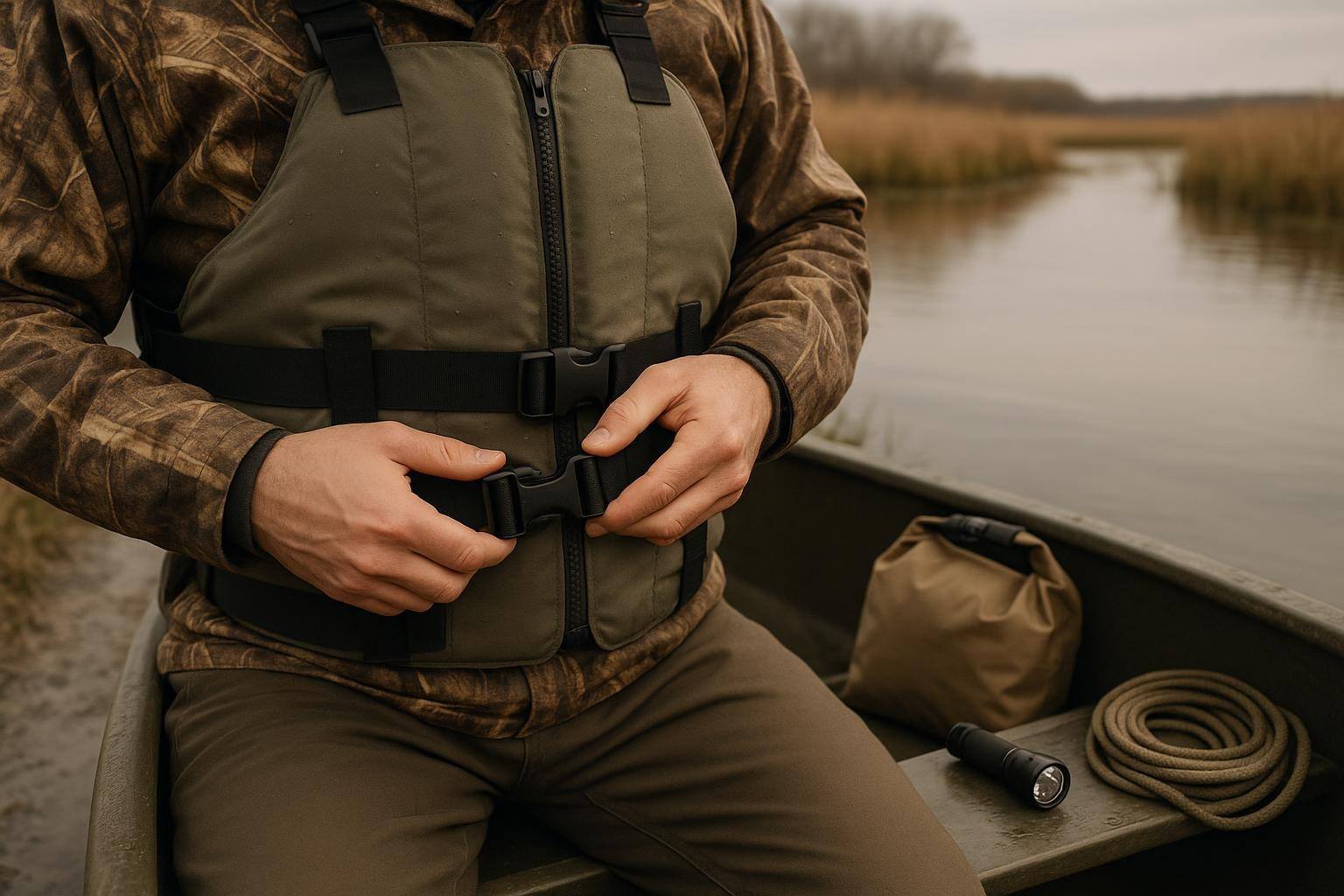
Your route to the water should decide the gear you use. A small boat can help you avoid a walk along the shore. Also brings new problems like deciding where to launch, how to load and making sure it is steady. Also waders can keep you dry. Do not make you safe in fast water. Always make sure your life jacket fits right and is worn the way the local rules say, not just kept in a bag.
Keep things close: a phone, a flashlight, basic first aid and dry storage for papers like licenses and keys. Remember to leave no signs of you; take back every piece of trash, broken lines or damaged decoys.
As you plan check if your gear lets you move easily launch and get birds without causing issues. Leave behind any things that do not help you succeed. Make sure you have everything you need for the path ahead.
Stay Updated on Regulations
Wildlife rules can change between when you plan and the actual hunting season. It is important to check the rules about hunting days times to shoot how many birds you can take, what licenses you need the papers required for migratory birds the right bullets and any area rules. Don't think earlier info is still right; check with your wildlife office right before you go.
Watch out for boundaries that might not be clear from the water. Public marshes can be next to areas or places with rules, which can be a problem if you go there by mistake. If the lines are not clear talk with the people who manage the area or pick a spot with lines to avoid problems.
Final Access Check Before Launch
Before you go take a moment to check a few things:
– Make sure you have the access rights for parking and launching.
– Check that the way in is safe and that getting back is possible.
– Look at the conditions like water clarity, wind, how well you can see and how ready your dog is.
– Gather all the papers and licenses you need for the hunt.
– Find out if there are any areas you can't go or places that're special.
– Make sure you can take everything you brought with you.
If you are not sure about anything step back before you put up your decoys. The goal is not to have a plan but to have changes to move if needed or to wait on a risky retrieve. This way you avoid injuries or problems that could stop you from coming in the future.
Being responsible with conservation isn't exciting; it is about important choices like staying on the trails respecting the signs making sure your dog does not go into water and not leaving anything behind. These careful actions protect your time and the time of others, in the marsh for a time.